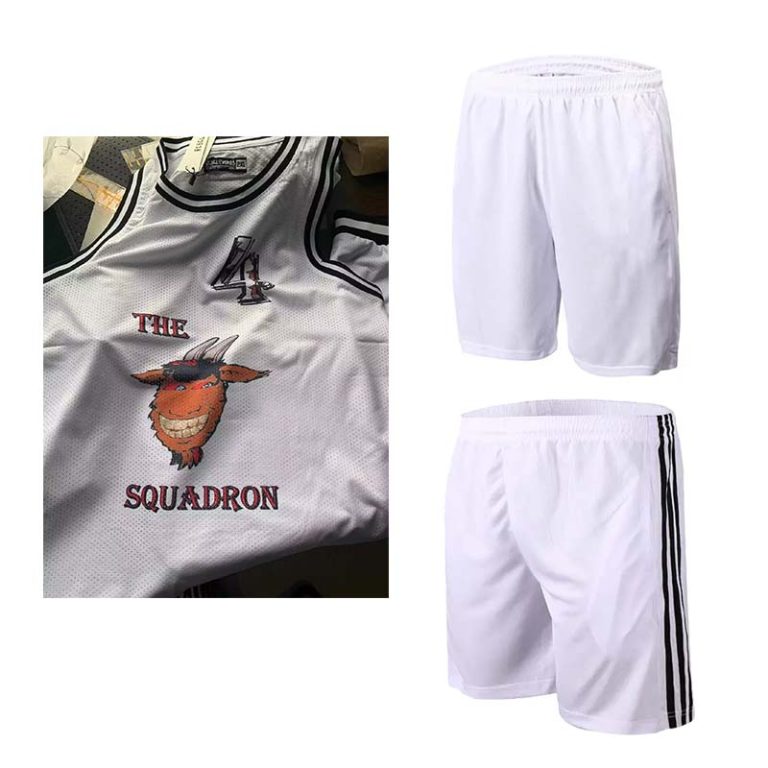
Let’s face it: we’ve all owned that one perfect band tee. It survived sweaty gigs and endless washes, its graphic stubbornly vibrant while the band itself might have broken up years ago. Ever wonder how that print defies the laws of laundry physics? The secret isn’t just a good printer; it’s a full-on molecular heist—and the mastermind is dye-sublimation.
Unlike your standard screen print that sits on the fabric like a stubborn sticker, dye-sub doesn’t just apply color; it changes the fabric’s identity. It’s the difference between a temporary tattoo and a real one. The process uses heat (around 400°F of pure persuasion) to turn solid dye into a gas. This gas then performs a covert operation, infiltrating the fibers of specifically engineered polyester fabrics. As it cools, it resolidifies inside the thread, not on it. The graphic becomes part of the material. You can’t peel it or crack it because, technically, it’s not “there” on the surface. It is the shirt.