Ever ordered a custom T-shirt and wondered how long it would take for the print to crack or fade? What if I told you there’s a printing technology that’s changing the game for small businesses and hobbyists alike, and it has a name that sounds like a robot from a sci-fi movie: UV DTF.
Let’s break that down. “DTF” (Direct-to-Film) is a method where you print a design onto a special film first, then transfer it to fabric. “UV” means the printer uses ultraviolet light to instantly cure, or dry, the ink. Put them together, and you get a superhero of the custom print world: a printer that can put almost any design onto almost any T-shirt, with a surprisingly simple process. For the booming, fast-paced world of on-demand custom apparel, this is a game-changer.
The “Peel-and-Stick” Magic: How It Works in 4 Steps
Imagine you want to print a photo of your grumpy cat on a T-shirt. Here’s how the magic happens with a UV DTF printer:
The Digital Blueprint: It all starts on your computer. You design your grumpy-cat masterpiece. The beauty here is no design limits. Full-color photos, intricate illustrations, even tiny text—the printer doesn’t care.
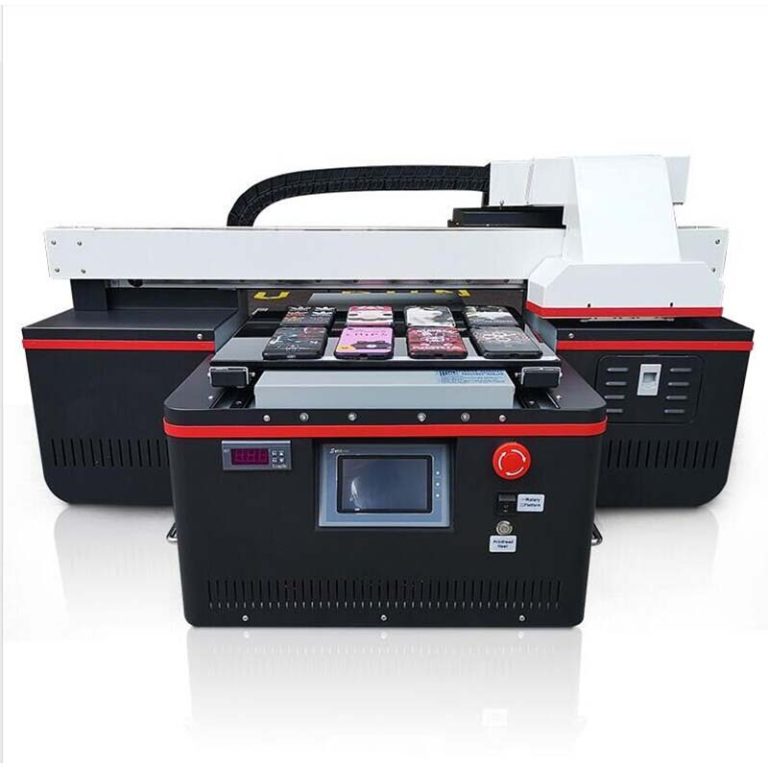
The Ink-Jet Trip (with a UV Twist): You load a roll of clear, sticky PET film into the printer. As the print head moves back and forth, it doesn’t just lay down ink; it lays down a white base layer first, then the colored ink on top. Why the white layer? It makes your colors pop on dark shirts, just like primer before painting a dark wall. The cool part? A small UV light cures each pass of ink instantly. No drying time, no smudging.
The Satisfying Peel: This is the best part. Once printed, your design on the film has a built-in adhesive. You don’t need to add any messy powders or sprays (a huge plus over traditional DTF). You simply use a weeding tool to peel away the excess film from around your design. What’s left is a flexible, sticker-like transfer of your grumpy cat, ready for action.
The Heat Press Finale: You place your T-shirt on a heat press, position the transfer film on top (ink-side down), and close the press. About 15 seconds of heat and pressure later, you peel off the film backing. Voilà! Your cat’s glorious grump is now permanently fused into the shirt’s fibers. The result is soft, durable, and washable.
A Customization Powerhouse: Why the Industry is Buzzing
For the custom apparel industry—from Etsy shops to local print studios—UV DTF is like a Swiss Army knife. Here’s why it’s causing a stir:
The “No Inventory” Dream: Shops can print transfers on demand. No need to pre-print hundreds of shirts and hope they sell. You print one transfer when you get one order. This slashes waste and risk.
The “Yes, We Can Print That” Attitude: Its ability to handle complex designs and work on a vast range of materials (cotton, polyester, blends, even hats or bags) means saying “no” to a customer is rare. It’s incredibly versatile.
Low Barrier to Entry: While an industrial setup is complex, smaller desktop UV DTF printers have made it feasible for passionate hobbyists to start a micro-business from a garage. The process is cleaner and has fewer steps than many other methods.
So, the next time you see a wildly detailed or brilliantly colored custom tee at a market, there’s a good chance it started as a sheet of clear film in a printer that uses light to dry ink. It’s not magic; it’s just clever, accessible technology finally letting everyone wear their ideas—right down to the last grumpy whisker. The future of custom wear isn’t in a massive factory; it’s in a compact machine that lets creativity run wild, one durable, peel-and-stick transfer at a time.