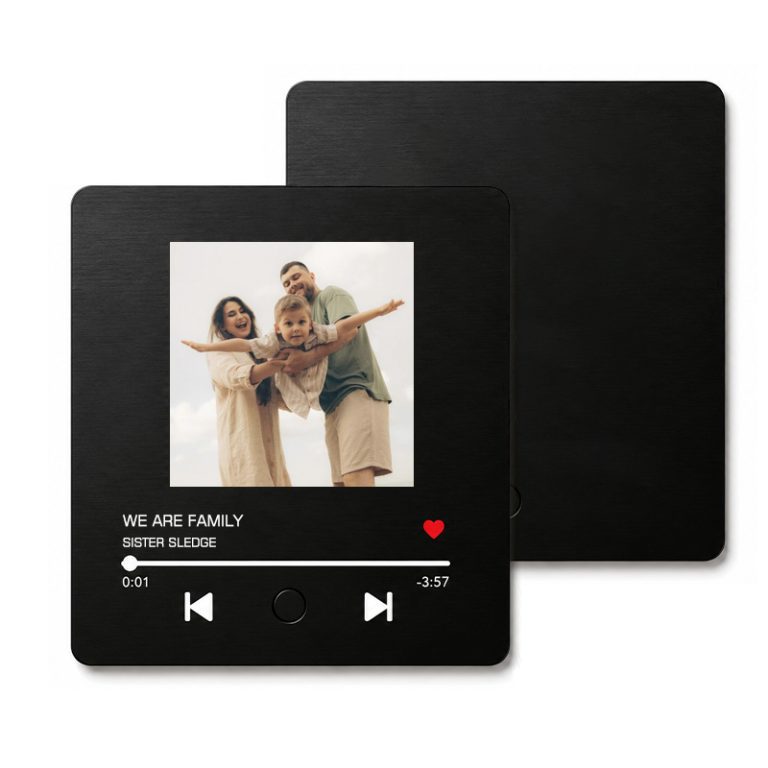
Let me ask you something. When was the last time you actually looked at a photo in a frame? Not scrolled past it on your phone. Not saw it in a Facebook memory. Actually looked at it, hanging on a wall, and thought, “Wow, that’s beautiful.”
If you’re like most people, the answer is probably “I don’t remember.” Because let’s be honest—regular framed photos are kind of boring. The glass gets dusty. The paper fades. The frame gets dated. And somewhere along the way, your favorite memory becomes just another thing on the wall.
Enter the metal print. Specifically, sublimated aluminum prints. They’re everywhere right now—in trendy coffee shops, modern homes, even at art fairs. And once you understand what they are, you’ll wonder why anyone still uses paper.
What Actually Is a Metal Print?
Here’s the simple version. You take a sheet of aluminum—thin, lightweight, but sturdy—and you coat it with a special polymer layer that loves to soak up dye. Then you print your image using sublimation, which basically turns solid ink into gas that bonds with that coating at a molecular level.
What comes out the other end? A photo that’s literally part of the metal. Not printed on top. Not glued on. Embedded in the surface.
The result looks nothing like a regular photo. Colors are more vibrant. Details are sharper. Whites are actually white—not paper-white, but brilliant, reflective white that catches the light. And because there’s no glass, you don’t get that annoying glare that makes you tilt your head like a confused puppy every time you walk past it.
Why Everyone Is Switching to Metal
I’ve been watching this trend blow up over the past couple of years, and here’s what’s driving it.
They look expensive (because they are). But in a good way. A metal print doesn’t look like something you printed at the drugstore. It looks like art. People hang these things in their living rooms and their guests ask, “Where did you get that?” It just has a presence that paper can’t match.
They survive real life. Paper fades in sunlight. Glass breaks when your kid throws a ball indoors. Frames get dusty. Metal prints? You can wipe them with a damp cloth. They don’t fade. They don’t shatter. They’ll outlast your mortgage. I’ve seen metal prints that sat in direct sunlight for five years and still looked brand new.
They work with modern decor. Walk into any new apartment or house these days, and you’ll see clean lines, neutral colors, minimal clutter. A bulky wooden frame with a mat and glass? It looks dated. A sleek metal print floating on the wall? It fits perfectly. No frame. No glass. Just the image, the metal, and a simple hanging system that makes it look like it’s floating.
How the Magic Actually Happens
The process is simpler than you’d think, which is why so many print shops are offering it now.
First, you need a sublimation printer—the same kind used for shirts and mugs. You print your image in reverse onto special transfer paper using sublimation inks. Then you wrap that paper around a pre-coated aluminum panel, tape it down, and slide it into a heat press designed for metal.
Here’s where the chemistry kicks in. The press heats up to about 400 degrees Fahrenheit and applies pressure. The dye on the paper turns into gas, travels into the coating on the aluminum, and then solidifies inside it. When you pull it out and peel off the paper, the image is now permanently part of the metal surface.
No peeling. No scratching. No fading. It’s done.
The Trends That Are Selling Right Now
If you’re thinking about getting into metal prints—or just want one for yourself—here’s what’s actually moving in 2026.
Large format is huge. People aren’t buying 4×6 metal prints. They’re buying 24×36, 30×40, even wall-sized panels. One massive image on a single wall, no seams, no frames, just pure impact. Wedding photos, travel shots, even family portraits—bigger is better.
Gallery wraps are dead. The old style of wrapping a canvas around a frame? Gone. Metal prints float away from the wall with hidden mounting hardware. It looks cleaner, more modern, and honestly more professional.
Black and white sells. Something about the metallic surface makes monochrome images look incredible. The blacks are deep. The whites glow. Photographers love this look for portraits, architecture, and street photography.
Travel and nature dominate. People want to remember their adventures. That shot of the mountains in Switzerland? The beach at sunset in Costa Rica? Metal prints make those memories feel epic. They’re the most common thing I see people ordering.
Is It Worth It?
Look, metal prints cost more than paper prints. That’s just a fact. You’re paying for the aluminum, the coating, the specialized equipment, and a process that doesn’t cut corners.
But here’s the thing. That paper print from the drugstore? It’ll be in a box somewhere in five years. That metal print? It’ll still be on your wall, still looking amazing, still making you smile every time you walk past it.
Photos are memories. Memories deserve better than a shoebox or a fading frame. They deserve to be seen, to be displayed, to be part of your life.
So go ahead. Take that favorite shot—the one that makes you stop scrolling every time—and turn it into something that lasts. Your future self will thank you when you’re still looking at it years from now, still smiling, and wondering why you waited so long to make it happen.
Because your photos have stories to tell. Don’t let them gather dust while they wait for you to notice.