If you’re new to the custom printing world, you’ve probably heard two names thrown around a lot: UV printing and DTF printing. They sound similar, they both use ink, and they both can put your design on stuff. But they work in completely different ways, and choosing the wrong one for your project can lead to wasted time, wasted money, and a lot of frustration. Let me break it down in plain English.
First, the Basic Idea
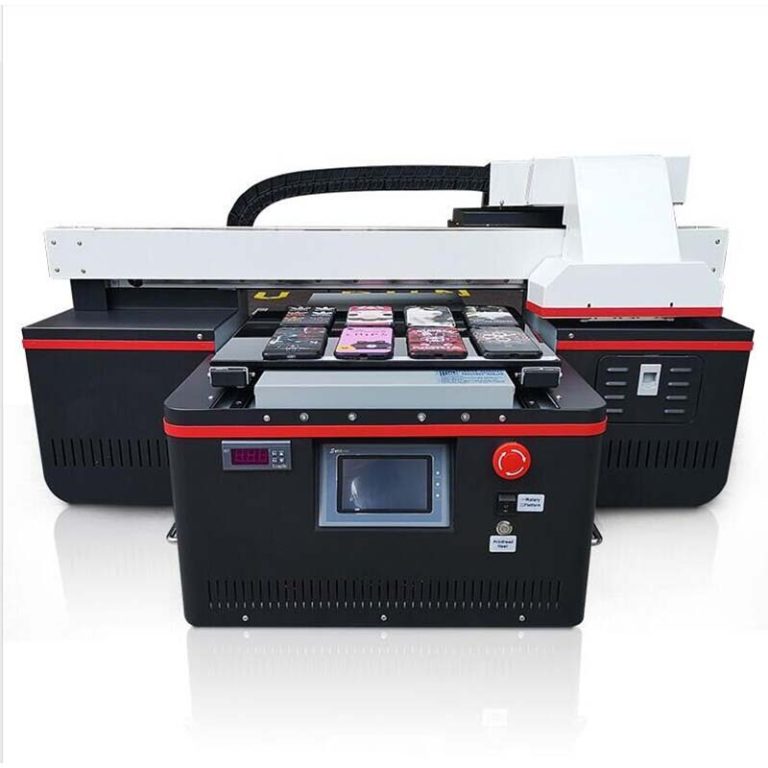
UV printing is what it sounds like: a printer that uses ultraviolet light to dry the ink instantly. The printer sits above a flat object—a phone case, a sign, a piece of wood, a metal plate—and sprays ink directly onto the surface. The UV light cures the ink the moment it lands. No drying time. No waiting. It’s fast and direct.
DTF printing stands for Direct‑to‑Film. It’s a two‑step process. First, you print your design onto a special plastic film. Then you apply a hot‑melt powder to the wet ink. Finally, you heat‑press that film onto fabric. The ink transfers from the film to the shirt. The printer never touches the fabric directly.
How They Look
UV printing gives you a crisp, sharp result that sits right on the surface of the object. It can handle incredibly fine details, tiny text, and photorealistic images. Because the ink is cured instantly, it doesn’t bleed or spread. The colors are vibrant and opaque—you can print bright white on a black phone case and it pops. The finish can be glossy or matte, depending on the ink and the surface. On rigid materials like acrylic or metal, it looks like a professional industrial print.
DTF printing gives you a softer, more flexible result that becomes part of the fabric. You can’t feel a hard layer on top—it moves with the shirt. The colors are bright and durable, and the print survives washing without cracking or peeling. It works beautifully on cotton and cotton blends, which is something UV printing struggles with. But DTF can’t print on hard surfaces like phone cases or glass. It’s for fabric, period.
Where They Work Best
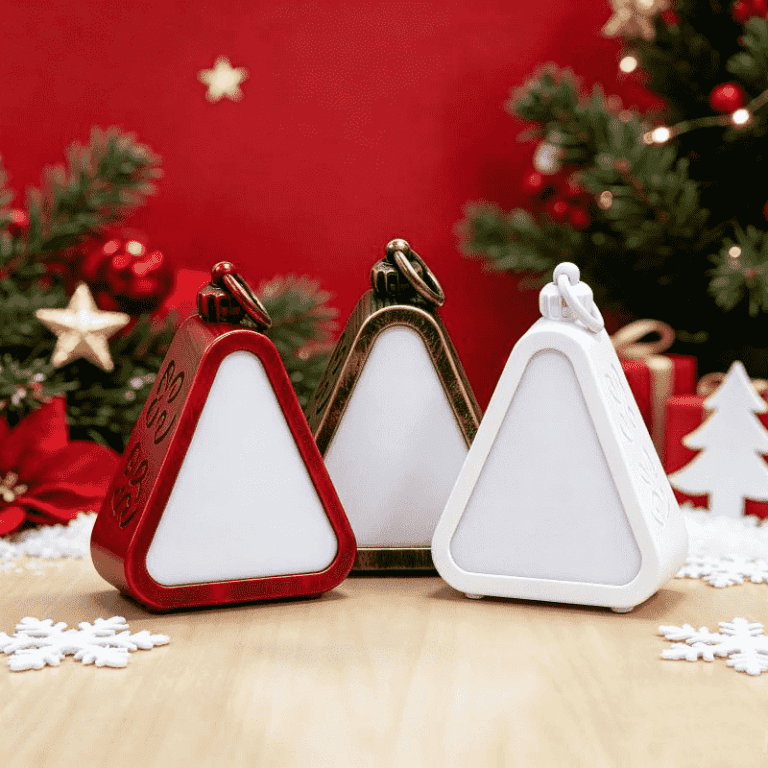
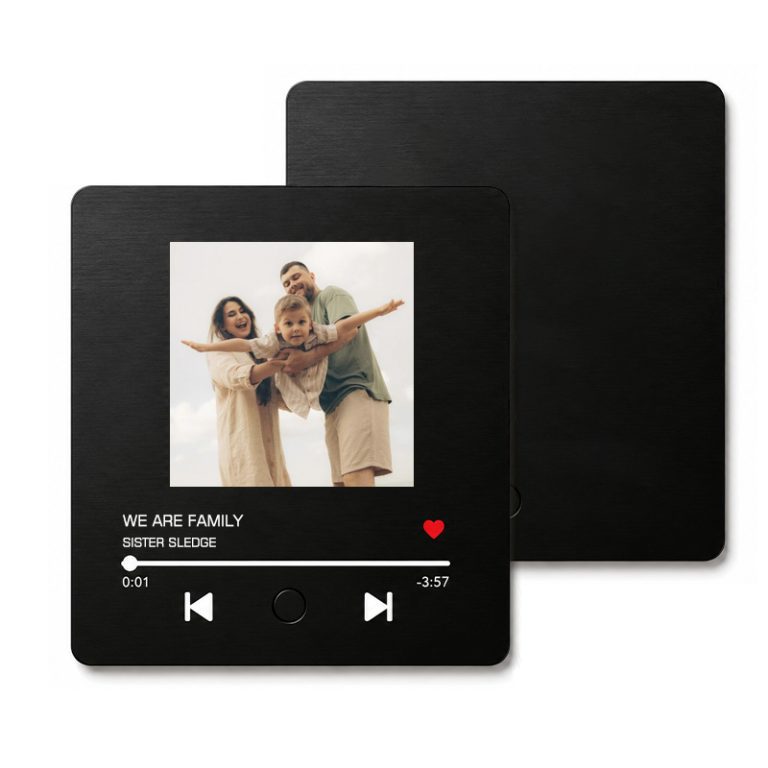
This is where the difference really matters. UV printing is the king of hard surfaces. Phone cases, metal signs, acrylic awards, wood panels, glass, ceramic tiles, PVC cards, even golf balls. If the object is flat and rigid, a UV printer can put a design on it. Some UV printers can handle objects up to a few inches thick. But UV printing on fabric? Not great. The ink sits on top like a stiff layer, and it can crack when the fabric bends.
DTF printing is the king of fabric. T‑shirts, hoodies, tote bags, hats, denim jackets, sportswear. If it’s soft and flexible, DTF can handle it. And because it uses a film transfer, it can also print on odd‑shaped items that aren’t perfectly flat—like the curved front of a cap or the side of a canvas bag. But DTF can’t print on a phone case or a metal sign. The film transfer needs a textile surface to bond with.
Speed and Setup
UV printing is fast once it’s running. The UV light cures the ink instantly, so you can stack your printed items right away. But setup takes time. You need to position the object perfectly, adjust the printhead height, and make sure the surface is clean. Some materials need a primer coat first. And UV printers are expensive—a good one costs thousands of dollars.
DTF printing is also fast, but the workflow has more steps. You print the film, powder it, cure it, then press it. That’s four steps instead of one. But DTF printers are cheaper than UV flatbeds, and the film‑and‑powder supplies are relatively affordable. The learning curve is also gentler—most people can get decent results within a few tries.
Durability
Both are durable, but in different ways. UV prints are hard and scratch‑resistant. They handle weather, sunlight, and cleaning without fading. But on fabric, they can crack if the fabric is stretched or folded repeatedly.
DTF prints are soft and stretchy. They survive washing machines, dryers, and daily wear. But on hard surfaces, they won’t stick at all.
The Bottom Line
There’s no “better” option. There’s only the right tool for the job.
Choose UV printing if you’re decorating hard materials—phone cases, signs, awards, glass, metal, wood. It’s crisp, fast, and built for rigid surfaces.
Choose DTF printing if you’re decorating fabric—shirts, bags, hats, sportswear. It’s soft, flexible, and made for textiles.
Some shops own both. They use UV for the hard stuff and DTF for the soft stuff. That’s the smart play if you want to serve a wide range of customers.
But if you’re just starting out, figure out what you’ll actually print. If it’s mostly shirts, go DTF. If it’s mostly hard goods, go UV. And if you’re not sure, talk to a supplier who knows both. They’ll help you pick the machine that matches your business, not the one that just looks cool in a video.