Something has shifted in the custom apparel world. For years, polyester was the quiet king—not because anyone loved it, but because sublimation demanded it. Polyester holds dye. Polyester takes a heat press. Polyester lets you print a full‑color design that actually survives a wash.
But the market is no longer asking what’s easiest to print. It’s asking what feels best to wear.
Cotton has taken over. Not in a dramatic, overnight way—more like a slow, undeniable tide. Walk into any boutique, any campus bookstore, any brand doing serious volume, and the blanks are cotton. Heavyweight cotton. Garment‑dyed cotton. Organic cotton. The kind of shirt people reach for on a Saturday morning and wear until it’s time to sleep.
And here’s the uncomfortable truth for print shops: the technology that made sublimation famous doesn’t work on cotton. Not properly. The ink has nowhere to bond. It sits on the surface, looks fine for a day, and then disappears.
So what do you do when the market wants cotton and your sublimation printer wants polyester?
The Bridge: Making Cotton Sublimation‑Ready
You don’t abandon sublimation. You give it something to hold onto.
A sublimation coating spray is a clear polymer liquid you apply to a cotton garment before pressing. It dries into a thin, receptive layer on the fabric surface—a synthetic “receptor” that behaves like polyester at the molecular level. When you press your transfer, the sublimation ink turns to gas, penetrates that coating, and bonds permanently.
Independent testing puts coating spray at roughly 85% color retention after 30 washes—not permanent like polyester sublimation, but a massive leap from untreated cotton, which loses almost everything within the first few washes.
It’s not magic. The sprayed area feels slightly stiffer at first, and it softens after the first wash. Color vibrancy is close to polyester, though not identical. But for a print shop that wants to serve the cotton market without abandoning a sublimation workflow, it’s the most accessible bridge available.
The Alternative: DTF for Volume Cotton Work
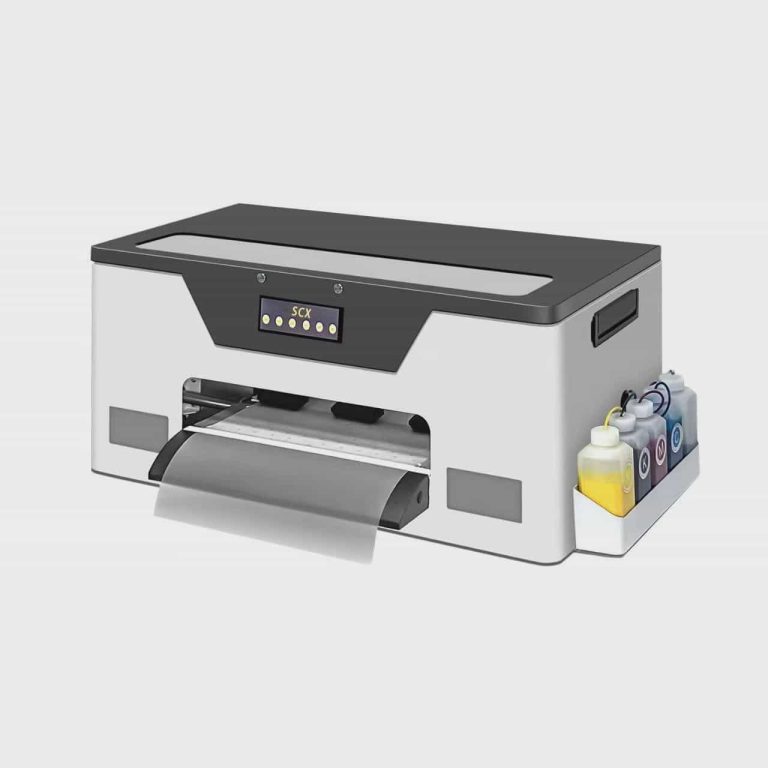
If you’re printing cotton at scale, DTF (Direct‑to‑Film) is the more robust answer. DTF skips sublimation chemistry entirely. It prints onto film, powders, cures, and presses onto the garment at 160°C for 15 seconds. Independent testing shows DTF holds grade 4‑5 color fastness across 50+ washes on cotton—a durability level coating spray can’t match.
The trade‑off is workflow. DTF adds powder and curing steps. Coating spray keeps your existing sublimation process intact. Many shops run both: DTF for high‑volume cotton orders, coating spray for quick samples, one‑offs, and mixed‑material jobs.
Where ST‑PRINT Fits
This is the part where most suppliers leave you guessing. You buy a coating spray from one place, DTF film from another, ink from a third, and hope they play nicely together. ST‑PRINT doesn’t work that way.
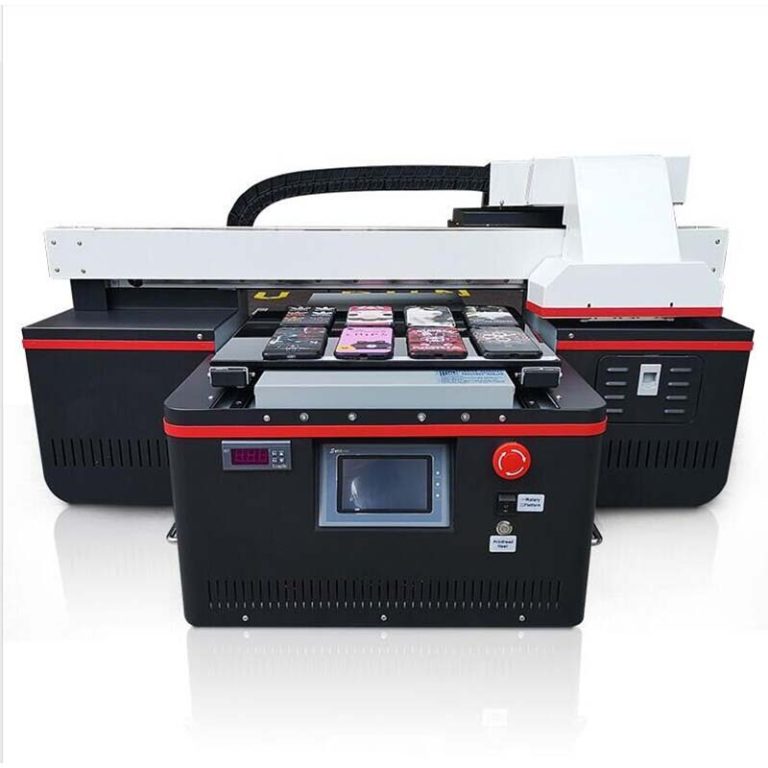
Since 2009, ST‑PRINT has built a catalog of over 8,000 products covering both sides of the cotton‑printing problem: sublimation coating sprays formulated for cotton and cotton blends, DTF films, powders, and inks for production‑scale cotton work, and the sublimation printers, UV printers, and consumables that keep a mixed shop running.
More importantly, ST‑PRINT helps you choose the right method for the order in front of you—not the method that happens to be sitting on your shelf. Coating spray for a 12‑shirt campus order. DTF for a 200‑piece brand drop. The right call depends on volume, fabric, and wash expectations. That’s a conversation, not a product listing.
The cotton wave isn’t slowing down. The print shops that capture it won’t be the ones with the most machines. They’ll be the ones with the most options—and a supplier who actually knows how to match those options to the job.
Talk to ST‑PRINT. Get the coating spray. Get the DTF film. Get the straight answer on which one your order actually needs.