We’re just two months away from the 2026 World Cup kicking off across the United States, Canada, and Mexico. And here’s the thing about World Cups: the fans don’t wait until the first whistle to start spending. They’re already buying. The question is, what are they actually putting in their carts?Let me show you what the numbers say.
The Numbers Don’t Lie: This Thing Is Huge
First, a quick reality check. The global football merchandise market was worth about $14.7 billion in 2024, and it’s expected to nearly double by 2034. For 2026 specifically, the market for souvenirs alone is projected to grow at 18.3% per year leading up to the tournament. Total commercial revenue for the event? FIFA predicts around $109 billion, with licensed merchandise being a core growth driver.
Now, where is all that money actually going?
Category 1: Jerseys — Still King, But With a Twist
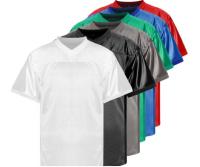
Jerseys are the undisputed heavyweight champion of World Cup merch. Always have been, always will be. But 2026 has some interesting wrinkles.
First, the 48-team format is changing the game. New countries like Jordan and Uzbekistan are playing in their first-ever World Cup, which means fans in those nations are buying merchandise for the very first time. That’s a whole new market that didn’t exist four years ago.
Second, Mexico is on fire. One single Mexican team jersey design has already racked up 300,000 orders from Yiwu factories alone. A Guangdong-based seller told reporters that one American customer placed two separate orders totaling over 60,000 pieces, and 70% of the reorders were Mexico-themed items.
Third, the numbers on Amazon tell a clear story. Searches for “USA soccer jersey” are up 143% year over year. The top 20 products only capture about 55% of clicks, which means there’s plenty of room for smaller sellers to jump in.
And here’s something you wouldn’t have seen four years ago: jerseys have gone viral on TikTok. Gen Z fans are styling them with lace skirts and pearl necklaces—turning team gear into everyday fashion. One TikTok shop called Fiery Jerseys sold 23,500 jerseys in a single year.
Category 2: Party Decor — Because Watching at Home Is the New Stadium
The 2026 World Cup happens in June and July. In North America, that’s peak summer. Think backyard barbecues, pool parties, driveway watch sessions. That means people aren’t just buying jerseys—they’re buying the whole setup.
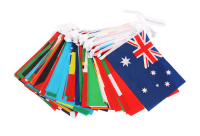
Flags, banners, table covers, bunting, themed cups, you name it. Amazon’s internal data shows that party decorations have consistently strong demand during big tournaments, and the North American outdoor viewing culture makes this category especially hot this time around.
A few specifics: multi-country flag sets (covering 50 to 230 nations) have strong search volume. Yard lights, themed tablecloths, and complete party kits are moving fast. One seller noted that reusable and eco-friendly materials perform better with North American buyers, and decorations that can be repurposed for Fourth of July or other summer parties have longer shelf life after the tournament ends.
What’s the lesson here? Don’t just sell the shirt. Sell the experience.
Category 3: The Weird Stuff That’s Actually Selling Big
This is where things get fun. Because World Cup merch isn’t just about flags and jerseys anymore. The smart money is on the unexpected.
Pet gear is a real category now. A Yiwu merchant designed a full line of pet fan wear for this World Cup—small jerseys for dogs and cats that match the human versions. They’ve already sold over 60,000 pieces. Overall, children’s and pet-sized apparel orders grew 15-20% year over year in the second half of 2025.
Smart noisemakers are another hit. One Yiwu vendor designed a three-section cheering horn that can hang a small national flag. It’s loud, it’s customizable, and it’s become a huge seller in Brazil and Mexico.
Bluetooth speakers for outdoor viewing are growing at an astonishing 184.8% year over year. The winning features? TWS pairing, long battery life, waterproofing, and team-color designs.
Collectible figures are also having a moment. Pop Mart’s FIFA World Cup collaboration—featuring everything from plush dolls to mini lamps and bottle openers in blind box form—sold out almost instantly.
So What Does This Mean for You?
If you’re a fan planning your watch party, here’s the takeaway: order your gear now. Not next month. Not two weeks before kickoff. Now. Supplies are moving fast, and the closer we get to June, the more expensive and harder to find things will become.
If you’re in the business of selling World Cup merchandise, here’s what the data is screaming at you: jerseys still win, but don’t sleep on party decor, pet gear, and outdoor electronics. Offer bundles—jersey plus flag plus face stickers—because people buy experiences, not just products. And whatever you do, make sure you’re ready for the second wave of orders that’s coming in April and May.
The tournament hasn’t started yet. But the shopping season? It’s already in full swing.