Let’s be honest. The World Cup is basically a month-long fashion show disguised as a sports tournament. Every fan wants to wear their team’s colors. But here’s the thing about 2026: nobody wants the same jersey as everyone else.
That’s where custom printing comes in. And two technologies are absolutely crushing it this year: dye-sublimation and DTF. Let me break down what they do, why they’re perfect for World Cup fans, and which one you should use.
First, the Big Picture
The numbers are wild. The custom soccer jersey market is already worth over $8 billion globally, and it’s growing fast. One factory in China sold over 6万件 jerseys during the last World Cup and is expecting 150,000 units for 2026. Online sales are up 50 percent compared to 2022. People are buying earlier, buying more, and buying weirder stuff.
And here’s the kicker: customization is driving everything. Fans don’t just want a jersey. They want their name on it. Their inside joke. Their pet’s face. Anything that makes it theirs.
How Sublimation Works (And Why Fans Love It)
Sublimation is basically magic with science underneath. You print your design onto special transfer paper using dye-based inks. Then you slap that paper onto a polyester jersey and hit it with a heat press. The heat turns the solid ink into gas. The gas sinks into the polyester fibers. Then it cools and turns solid again—inside the fabric, not on top of it.
The result? You can’t feel the design. At all. It’s literally part of the shirt. The colors are stupidly vibrant, the details are sharp, and the jersey breathes like it’s not even printed.
This is why pro teams use sublimation for their performance jerseys. It handles sweat, stretching, and washing like a champ. The 2026 adidas player jerseys use heat-transfer crests that shift colors as you move. Sublimation makes that kind of flashy, futuristic design possible.
The catch? Sublimation only really works on polyester. And the fabric needs to be light-colored or white, because the inks are translucent. Try putting a bright red sublimation design on a black shirt, and you’ll get something that looks like a ghost that forgot to show up.
Enter DTF: The Versatility King
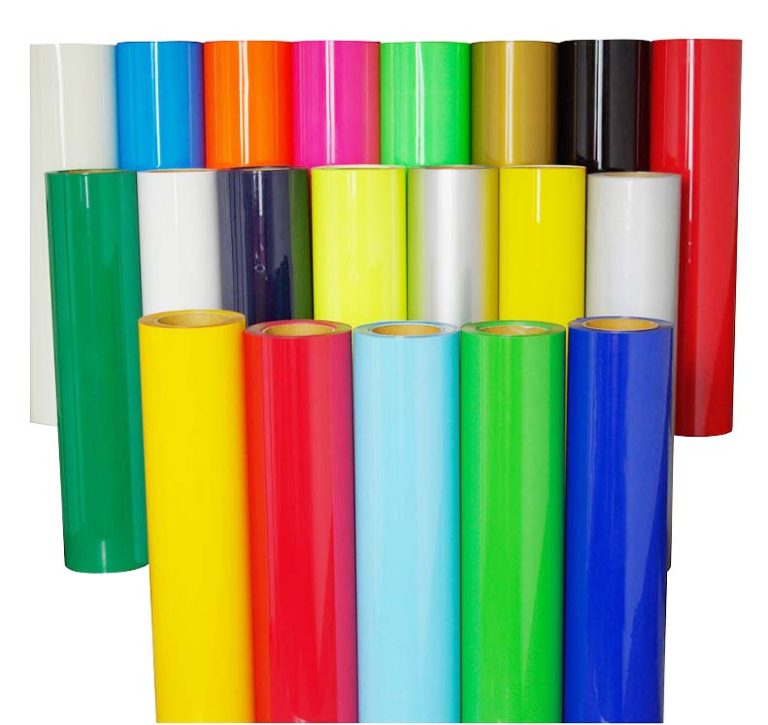
DTF works completely differently. You print your design onto a clear sticky film, sprinkle it with adhesive powder, cure it with heat, and then press that film onto your jersey. When you peel the film off, the design stays on the fabric.
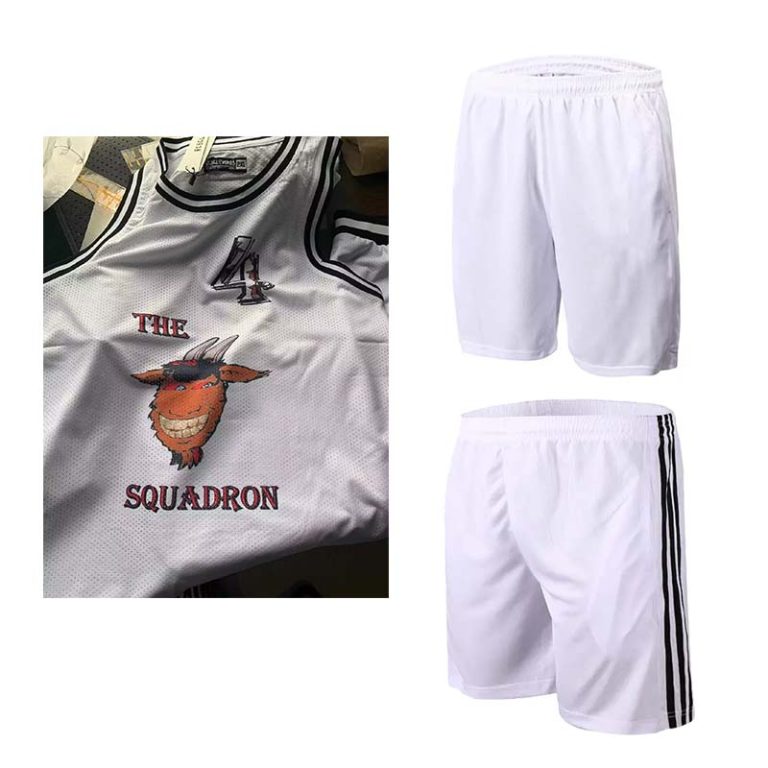
Here’s why DTF is a lifesaver for World Cup jerseys: it works on anything. Cotton, polyester, blends, even dark shirts. That jersey your buddy wants in 100 percent cotton? DTF handles it. That black Mexico shirt with bright green graphics? DTF pops like nobody’s business. The adhesive layer is opaque, so colors stay bold no matter what’s underneath.
The feel is different from sublimation—you can feel the print, but good DTF transfers are soft and flexible, not stiff and plasticky. And because you’re printing on film first, mistakes just waste film, not expensive jerseys. That’s huge for custom shops doing one-off orders.
Which One Wins for World Cup Gear?
Here’s the smart strategy that actually works.
Use dye-sublimation for premium performance jerseys. Think official-style replicas, all-over prints, and designs that need to look seamless and breathable. These are your high-end products for fans who want to feel like the players.
Use DTF for everything else. Cotton fan jerseys. Dark-colored shirts. Complex graphics with fine details. Personalized names and numbers on everyday wear. This is your workhorse for the mass market.
Some shops run both. They crank out bulk sublimated jerseys for team orders and use DTF for the weird, wonderful one-off requests that make customers come back. Because in the World Cup business, you never know what someone’s going to ask for. Yesterday it was Argentina. Today it’s Morocco. Tomorrow it might be a team nobody saw coming.
The Secret Sauce: On-Demand Production
Here’s the part most people miss. The old model of printing thousands of jerseys and hoping you guessed the right teams? That’s dead. It’s risky, wasteful, and dumb.
With digital printing—both sublimation and DTF—you can print one jersey or a hundred with the same ease. That means you can offer designs for all 48 teams without sitting on inventory that might not sell. When a dark horse makes a run, you can have “Quarterfinalist” jerseys ready to ship within hours. No waste. No risk.
This is called print-on-demand, and it’s perfect for World Cup chaos. Teams advance. Players become heroes overnight. Trends pop up on TikTok and vanish just as fast. On-demand printing lets you ride every wave without drowning in unsold stock.
The Bottom Line
Sublimation gives you butter-soft, pro-grade jerseys that feel like nothing and last forever. DTF gives you the freedom to print on anything, especially dark shirts and cotton blends. Neither is better. They’re just built for different jobs.
This World Cup, fans don’t just want gear. They want gear that tells their story. If you can give them that—quickly, affordably, and without risking a warehouse full of leftovers—you’re going to have a very good summer.