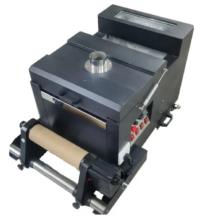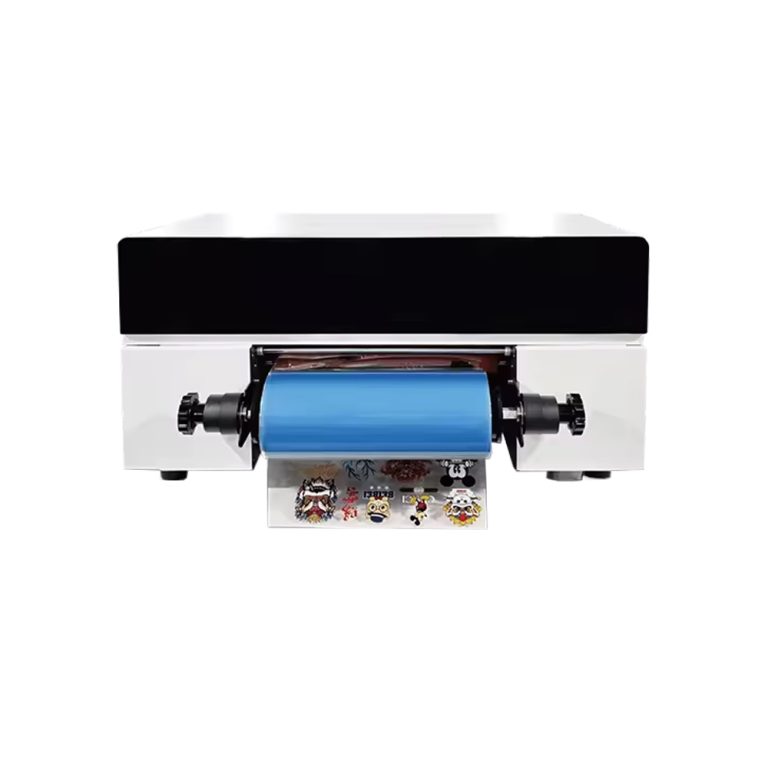
Here’s a scene they don’t show you in the slick Instagram ads: a DTF printer, standing proud, has just produced a stunning, full-color transfer. But surrounding it, like the morning-after confetti of a wild party, is a chaotic mess of crispy, discarded plastic film. This isn’t a malfunction. This is “weeding”—the universally acknowledged, rarely glamorized, and utterly essential cleanup step in the DTF world. Understanding this tedious little chore reveals more about the real work of printing than any spec sheet ever could.
So, what exactly is this “waste”? After you print your awesome design onto the special PET film, powder it, and cure it, you’re left with a sheet that has your design sitting in a solid layer of adhesive, surrounded by a border of blank, coated film. Before you can heat-press that design onto a shirt, you must manually peel away all that excess plastic film from around and inside your design (if it has unconnected parts, like the center of an “O”). What you’re holding is the final “transfer,” and the pile on your table is the “weeded waste.”