Last month, a guy walked into my shop holding a cycling jersey. Not a fancy one. Just a plain black jersey he wanted his team name on. “But here’s the thing,” he said, stretching the fabric between his hands like he was testing a rubber band. “This stuff moves. A lot. Will the print move with it?”
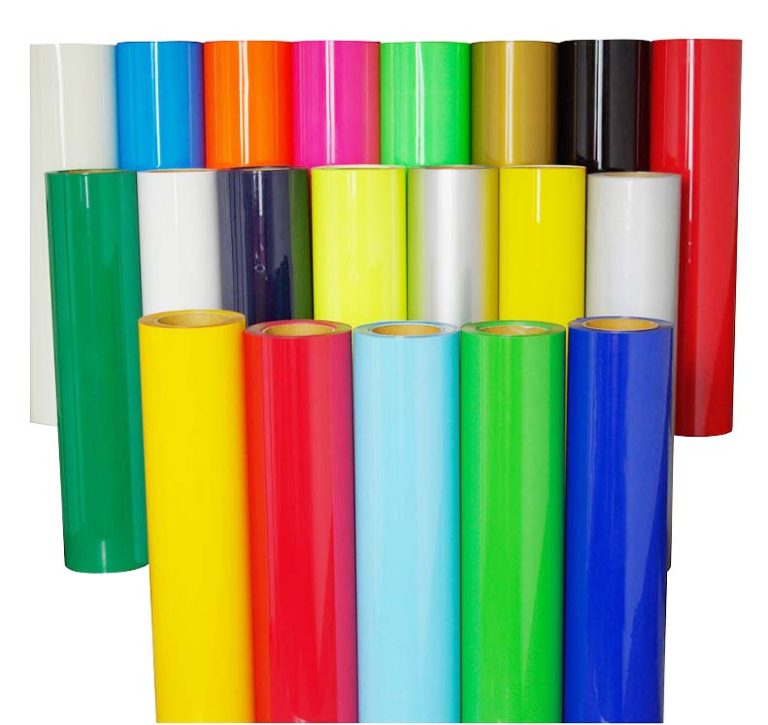
I pulled out a roll of TPU vinyl and said, “Watch this.”
If you’ve been around custom printing for five minutes, you’ve heard of PU vinyl. It’s the soft, flexible stuff everyone loves. But TPU? That’s PU’s athletic cousin. The one who does yoga and runs marathons and still looks good at the end of the day.
What Actually Is TPU?
TPU stands for Thermoplastic Polyurethane. Say that five times fast. In plain English, it’s a type of polyurethane that’s designed to be extra stretchy and extra tough . Think of regular PU as a good cotton t-shirt—comfortable, soft, does the job. Think of TPU as performance activewear—built to move, built to last, built for people who actually use their clothes.
The “thermoplastic” part just means it melts when you heat it and solidifies when it cools. That’s what lets you stick it onto fabric with a heat press. But the magic is in how it behaves after that.
How Is TPU Different From Regular PU?
Here’s the thing. Regular PU is already pretty flexible. It handles everyday wear just fine. But TPU takes it to another level. We’re talking serious stretch—like 200% elongation in some cases . That means it can stretch to twice its length and still snap back without cracking.
This matters more than you’d think. Ever put a print on a really stretchy fabric and watched it crack after the first wear? That’s because regular vinyl couldn’t keep up. TPU actually moves with the fabric instead of fighting it .
The other big difference is durability. TPU handles temperature changes better—doesn’t get brittle in the cold or gooey in the heat. It also laughs at washing machines. We’re talking 50 washes or more without losing the fight . Some of the good stuff tests at over 120 washes before it even thinks about giving up .
Where TPU Actually Shines
So who needs this stuff? Let me paint you a picture.
Sports jerseys. This is the big one. Basketball jerseys get grabbed, pulled, stretched every game. Football jerseys take a beating. Cycling kits are basically designed to be as stretchy as humanly possible. TPU is the answer .
Activewear. Yoga pants, gym shirts, running gear—anything that moves with your body needs a print that moves too. Nothing ruins a good workout outfit like a cracked, peeling logo .
Dance costumes. These things get abused. Stretched, twisted, washed over and over. TPU holds up .
Kids’ clothes. Because kids don’t sit still and they definitely don’t treat their clothes gently. TPU survives the chaos .
Work uniforms. Especially for jobs where people actually move. TPU handles the wear and tear .
The Good Stuff (And the Not-So-Good)
Let’s be real about what TPU does well.
The stretch is unreal. If your fabric stretches, TPU stretches right along with it . No cracks, no gaps, just smooth color that moves.
It’s tough. Washes, weather, regular abuse—TPU takes it all . Some of these materials are tested to industrial laundry standards. That’s serious.
It feels good. Despite being tough, TPU is soft to the touch. Doesn’t feel like a plastic sticker on your shirt .
It’s clean. TPU is generally more eco-friendly than PVC options. Meets safety standards like RoHS and CAPROP 65, which means it’s tested for harmful stuff .
Now the downsides.
It costs more. TPU isn’t the cheap option. You pay for that performance . If you’re printing shirts for a one-day event where people will wear them once, you probably don’t need TPU.
It needs the right setup. TPU likes specific temperatures—usually around 150-160°C . Too cold and it won’t stick right. Too hot and you might melt things. You need a decent heat press that holds steady temps.
Not for every job. If your fabric doesn’t stretch much, regular PU works fine and costs less. Don’t overbuy.
The Fun Stuff: Special Effects
Here’s where TPU gets interesting. Because it’s such a versatile material, manufacturers do cool things with it.
Metallic TPU gives you that shiny foil look that actually stretches . Regular metallic vinyl cracks when you bend it. TPU metallic keeps shining.
Glow-in-the-dark TPU exists. Perfect for making kids’ shirts that light up at bedtime .
Reflective TPU bounces light back at night. Huge for running gear and safety wear .
3D thick TPU comes in at 1mm or more, creating raised, puffy designs that feel as cool as they look . Great for streetwear, sports logos, anything that needs to pop off the fabric.
Textured TPU can mimic carbon fiber, leather, all kinds of fancy finishes . Makes cheap shirts look expensive.
The Bottom Line
TPU heat transfer vinyl is the material you reach for when your fabric moves and your print needs to keep up. It’s not the everyday choice—regular PU handles most jobs just fine for less money. But for sportswear, activewear, kids’ clothes, anything that gets stretched and washed and abused, TPU is worth every extra penny.
Next time someone walks into your shop holding a stretchy jersey and asks if the print will move with it, you’ll know exactly what to hand them. And when it survives a season of games and still looks new, they’ll come back asking for more.