Colored Sublimation Paper: What It Is and Why You’d Use It
If you’ve done any sublimation printing, you already know the basic setup: white paper, print your design, press it onto a white or light polyester shirt. Simple enough. But what if your design has a colored background? What if you want to print on a dark shirt without the colors looking washed out? That’s where colored sublimation paper comes in. Let me explain what it is, why you’d use it, and how it works. No jargon, just plain talk.
First, What Do We Mean by “Colored”?
Here’s where people get confused. The term “colored sublimation paper” can mean two different things, and they’re used for completely different purposes.
Type 1: Paper That Already Has a Design on It
This is paper that comes with a pattern or background already printed on it. Think watercolor splashes, gradient fades, marble patterns—stuff like that. You print your own design on top of that background, and the whole thing transfers together as one piece.
Why would you want this? Imagine you’re making a shirt with a cool watercolor wash effect behind your text. Normally, you’d have to print that background yourself, which uses a ton of ink and takes forever. With pre-printed paper, the background is already there. You just print your text or logo on top, press it, and you’re done. Clean, professional, and way less work.
Type 2: Paper Made for Dark Fabrics
This is a special paper designed specifically for printing on dark shirts. Regular sublimation ink is see-through, so if you print it on a black shirt, the design basically disappears. Dark fabric paper fixes that by transferring a white layer underneath your colors, so they actually show up.
Think of it like painting a wall. If you paint yellow directly on black, it’ll look muddy. But if you paint white first, then yellow on top, it pops. Same idea here.
Why Would You Use Either One?
Let’s start with the pre-printed background paper.
The main reason is simplicity. If you want a design that has a seamless background, like a photo that fades into the shirt color, you can either spend an hour printing and cutting it yourself, or you can buy paper that already has the background. One option uses a ton of ink and time. The other uses almost none.
It’s also great for speed. If you’re running a business and printing dozens of shirts a day, anything that saves time adds up fast.
Now for dark fabric paper.
The reason is obvious: you can print on dark shirts. That’s a huge deal because dark shirts are incredibly popular. Sports teams wear dark colors. Streetwear is mostly dark. If you can’t print on dark fabrics, you’re missing half the market. This paper opens that door.
How Do You Use It?
For pre-printed background paper, the process is the same as regular sublimation. You load the paper into your printer (coated side up), print your design on top of the existing pattern, then press it onto your shirt using normal settings—around 400°F for 30 seconds.
For dark fabric paper, the process can be slightly different. Some types require a “cold peel,” meaning you let the transfer cool completely before removing the backing paper. Others work just like regular paper. Always check the instructions that come with your specific paper.
Where Can You Use These?
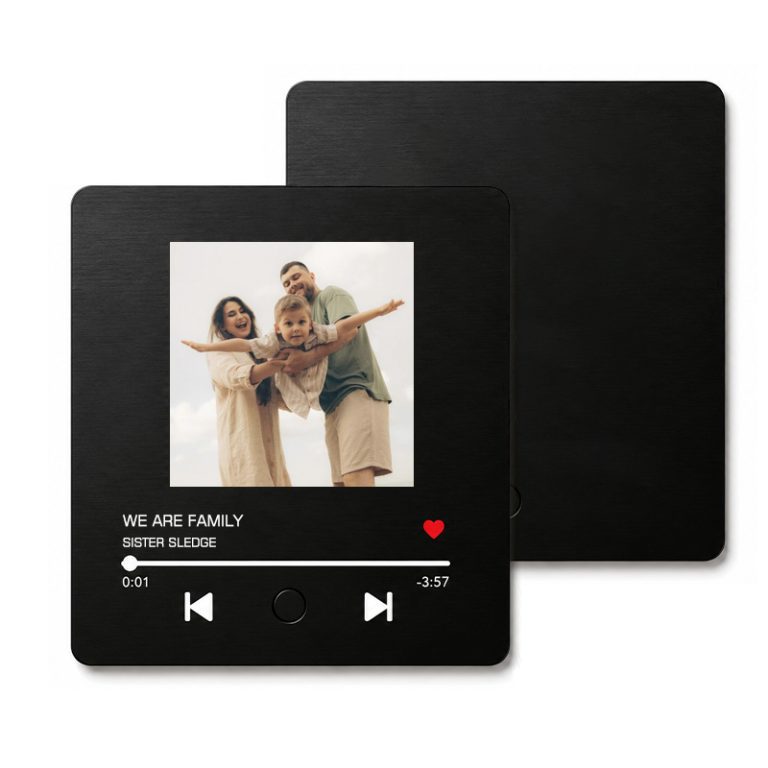
Both types work on polyester or polyester-blend fabrics. Pre-printed background paper is great for T-shirts, tote bags, mouse pads, coasters, and mugs. Dark fabric paper is mostly for clothing—T-shirts, hoodies, jerseys—anything dark-colored.
The quality is excellent either way. The prints are crisp, colors are bright, and they won’t crack or fade even after many washes.
A Few Things to Watch Out For
First, don’t cheap out on paper. Cheap paper wastes ink and produces dull colors. Good paper has a high transfer rate, meaning more of the ink actually ends up on your shirt instead of staying stuck in the paper.
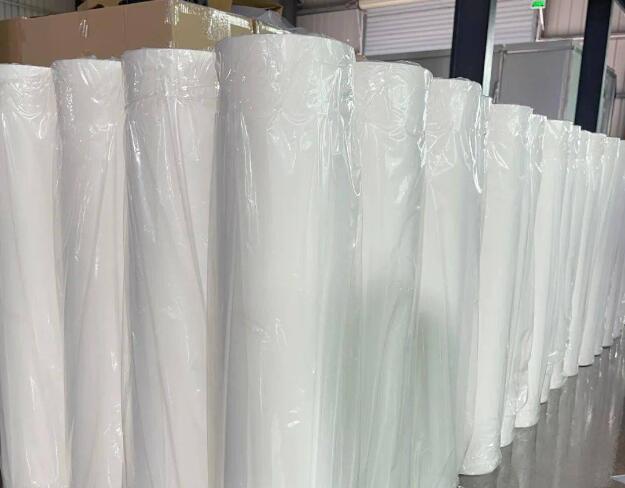
Second, store it properly. Sublimation paper has a special coating that can be damaged by moisture or heat. Keep it in a cool, dry place, away from direct sunlight.
Third, test before you commit. Colors often look different on the paper than they do after pressing. What looks dull on paper can come out vibrant on fabric. Always do a test print before running a large batch.
The Bottom Line
Colored sublimation paper is one of those tools that quietly expands what you can do with custom printing. Pre-printed background paper saves time and ink on designs with colored backgrounds. Dark fabric paper lets you print on dark shirts, which was previously nearly impossible with sublimation.
Neither is magic. They’re just practical tools that make certain jobs easier. If you’re printing a lot of custom apparel, especially for sports teams or streetwear brands, they’re worth checking out.