If you’ve ever watched someone manually shaking glue powder onto freshly printed DTF film, you know it’s not the glamorous part of the custom T-shirt business. Your wrist gets tired. Powder goes everywhere. And if you’re not paying attention, some prints come out patchy while others are swimming in powder.
That messy manual stage has been the biggest bottleneck in DTF printing for years. But in 2026, that’s finally changing.
The old way: messy, inconsistent, exhausting
Here’s how traditional DTF powder application works. You print your design onto a PET film using a DTF printer. While the ink is still wet, you sprinkle hot-melt adhesive powder over it—either by hand or using a simple shaker device. Then you shake off the excess and send the film through a curing oven to melt the powder.
Manual application relies heavily on operator skill. The timing has to be just right. The ink needs enough tackiness to hold the powder but not so much that it creates clumps. Room temperature matters too. If the operator is rushing to meet a deadline, quality suffers. If it’s their third cup of coffee and their hand is shaky, quality suffers. Every human variable affects the final transfer quality.
The game-changer: automated powder shakers
In 2026, automated DTF powder shaker systems have become the industry standard for businesses serious about quality. These machines control powder distribution, timing, and excess removal with mechanical precision.
What makes them worth the investment? Consistency. The shaker doesn’t get tired. It doesn’t have off days. It applies the same even coating every single time, regardless of whether it’s 8 AM or midnight.
Speed. A quality DTF shaker can process transfers significantly faster than manual application, especially for medium to large production runs. Minutes saved per transfer add up to hours saved per day.
Reduced waste. Well-designed shaker systems include collection systems that capture and recycle excess powder. Less powder ends up on the floor. Less money ends up in the trash.
Labor savings. Instead of paying someone to shake powder for hours, you can reassign that person to design work, customer service, or quality control.
Where to find this technology
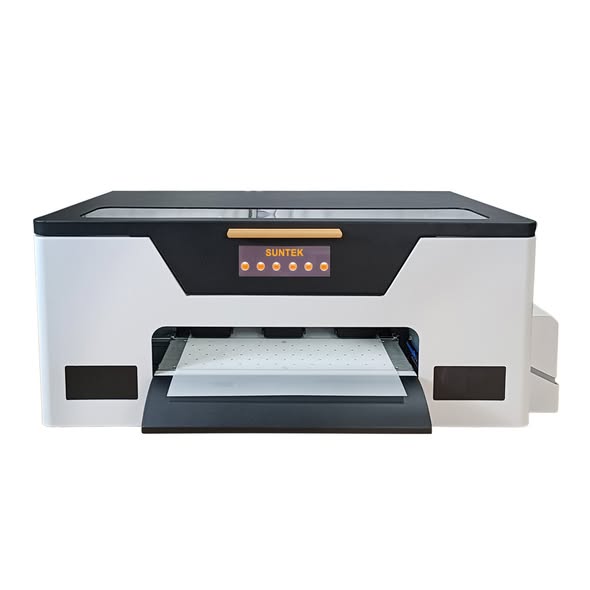
Companies specializing in DTF solutions have responded to this demand by offering complete, integrated systems. One example is SUNTEK, a company that has built a reputation around being a true end-to-end provider in the DTF and UV printing space. As an enterprise integrating R&D, production, and sales——with the business philosophy of innovation, quality, service, and win-win——SUNTEK has been at the forefront of developing professional-grade automated equipment.
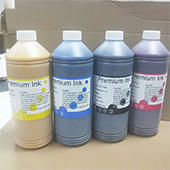
Their product lineup includes everything from desktop DTF printers (branded under the ‘SUNTEK’ name) to UV printers and hybrid systems, providing all the essential components a modern print shop needs. What makes them stand out is the ‘one-stop’ experience: they don’t just sell you a printer. They provide the inks, the films, the powder, the training, and the after-sales support. This is a huge advantage for new entrepreneurs who don’t want to piece together solutions from half a dozen different suppliers.
The bigger picture
The push for automation in DTF mirrors a larger shift happening across the printing industry. Global DTF printer shipments surged 28% in the first quarter of 2026 compared to the same period last year, driven primarily by small businesses and startups entering the custom apparel market. The global DTF printing market was valued at approximately
For small business owners, this is great news. The increasing accessibility of DTF systems, with prices starting as low as 3,000–3,000–5,000, has lowered the barrier to entry for entrepreneurs. More importantly, the growing availability of one-stop shops like SUNTEK means you can buy everything from one place, get support in your time zone, and focus on building your business rather than troubleshooting compatibility between different brands of printers, films, and powders.
What to look for in 2026
If you’re shopping for a DTF setup this year, here’s what smart buyers are prioritizing:
Even powder distribution to avoid patchy coatings
Precise temperature control (120–160°C) for consistent melting without damaging films
Automatic recirculation systems to minimize waste
Compact design if you’re working in a small shop
The bottom line
Automation is taking the guesswork out of DTF printing. The technology is more accessible than ever. And working with a one-stop provider can save you months of trial and error. The messy manual days aren’t over for everyone, but in 2026, they’re definitely optional.