Sheet DTF Film vs Roll DTF Film: What’s the Difference?
If you’re new to DTF printing, choosing between sheet film and roll film is one of the first decisions you’ll make. They look similar, but they work completely differently. Let me break it down in plain English.
What Do They Look Like?
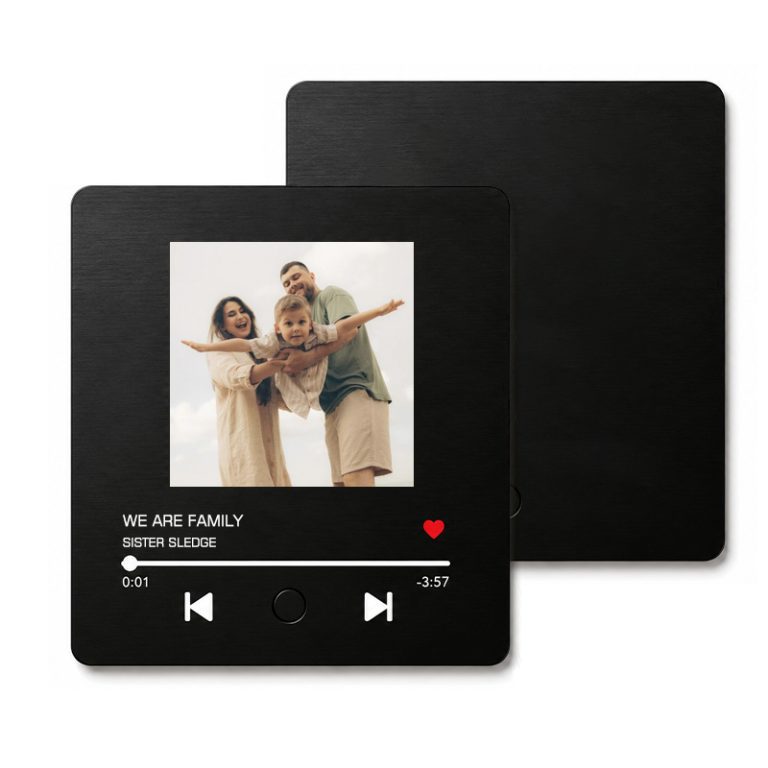
Sheet DTF film comes as pre-cut individual sheets. Think A4 or A3 paper. You grab one sheet, use it, and grab another when you need it. Simple.
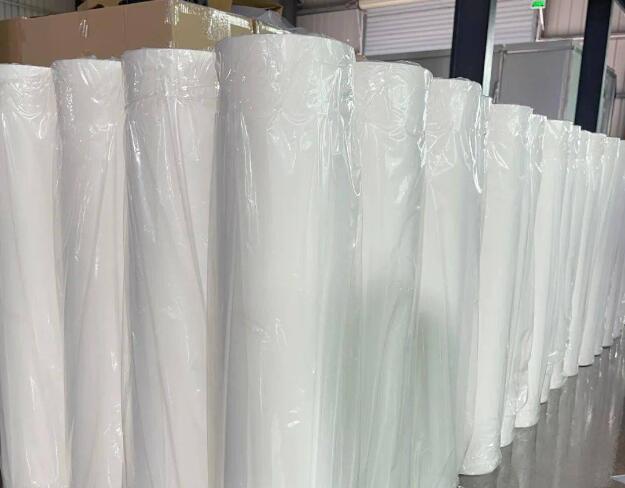
Roll DTF film comes in a long continuous roll, like cling wrap or aluminum foil. Common widths are 30cm or 60cm, and lengths often start at 100 meters. You unroll what you need and cut it yourself.
Who Should Use Which?
Sheet DTF film is best for:
Beginners getting started. You just place it in the printer and go. No learning curve.
Small batches. Printing just a few items at a time? Sheets are perfect.
Mixed sizes. Today you print A4, tomorrow A3. Switching sizes is easy.
Desktop printers. Many small printers are designed for sheets, not rolls.
Roll DTF film is best for:
High-volume production. Printing dozens or hundreds of items daily? Rolls are standard.
Commercial print shops. Efficiency matters.
Long designs. Need a print that goes down the entire leg of a pair of pants? Sheets won’t fit. Rolls can handle it.
Which One Saves You Money?
Let’s look at the real cost. Sheets can be deceptive. Buying pre-cut sheets costs more per square inch than buying in bulk. There’s also waste. Printing a small design on an A3 sheet leaves a lot of unused film. Plus, you have to load each sheet manually. If you have a lot of orders, that time adds up.
Rolls are more efficient. Buying in bulk gets you a lower price per square inch. You cut exactly what you need, so there’s almost no waste. With RIP software, you can nest multiple designs together on the same roll to use every inch of film. And you can run continuous prints without stopping to reload.
In short: if you print a little, sheets are fine. If you print a lot, rolls will save you money.
Which One Is Easier to Use?
Sheets: Take one out of the box, put it in the printer, print. Simple as that. Store them in a drawer. They don’t take up much space. But there’s one catch—the edges of sheets can curl sometimes, and if they curl up, they might scrape against the printhead and damage your printer.
Rolls: You’ll need a roll feeder or holder. Set it up once and it lasts a long time. But a full roll is heavy—up to 20kg—and storing it requires dedicated space. Once set up though, continuous printing is incredibly convenient.
How Do You Choose?
Consider your volume. If you print occasionally, sheets are your friend. If you print every day, rolls are more efficient.
Check your equipment. Small desktop printers often only take sheets. Commercial printers usually take rolls.
Think about your designs. Small designs work fine on sheets. If you print large or long designs regularly, rolls give you more flexibility.
The Bottom Line
Sheets are the entry point. Rolls are the upgrade. Start with sheets if you’re just learning or printing small volumes. When your orders grow and you find yourself loading sheet after sheet, that’s your signal to switch to rolls. You’ll save time, save money, and your workflow will be much smoother.