Something has shifted in the custom apparel world, and it’s not subtle. Walk into any boutique, any campus bookstore, any brand doing serious volume—the blanks are cotton. Heavyweight cotton. Garment‑dyed cotton. Organic cotton. The kind of shirt people actually want to wear.
The numbers back it up. In a 2025 global study, 69 percent of consumers who had an opinion named cotton as their preferred fiber for T‑shirts. Sixty percent expect cotton clothing to outlast synthetic alternatives by at least six months. Polyester had a good run, but the market has spoken. Cotton is back.
Here’s the problem. The printing technology that dominated the last decade was never built for cotton at scale. Sublimation needs polyester. Screen printing demands minimums. Vinyl feels like a sticker. The demand moved toward cotton, and a lot of print shops got caught flat‑footed.
The shops that didn’t get caught? They switched to DTF.
Why DTF Won the Cotton War
Over half of all T‑shirts worldwide are now produced using DTF technology. The global DTF market sat around $3 billion in 2026, and that growth isn’t coming from hobbyists. It’s coming from custom apparel brands, online sellers, and established print shops routing real order volume through DTF as a core production method.
Why? Because DTF is the first digital printing method that treats cotton as a first‑class citizen. No coating spray. No polyester requirement. No minimum order. Just print, powder, press, done. The colors are vibrant. The print survives 50+ washes. And it works on dark shirts, light shirts, blends, even the weird stuff customers bring in.
But here’s where a lot of people get lost, and it’s costing them money. They hear “UV DTF” and assume it’s the newer, better version of DTF for everything. It isn’t.
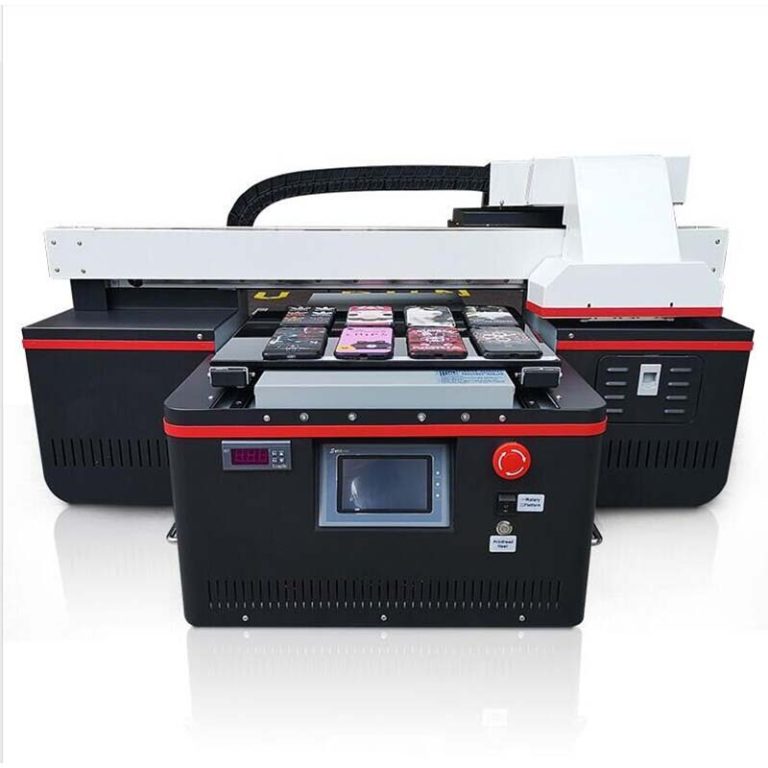
UV DTF is a hard‑surface technology. It prints onto a film and transfers onto tumblers, phone cases, acrylic keychains, and metal tags. It is not a garment decoration method. Mixing up the two is like buying a tile saw to cut fabric. The tool is excellent. It’s just aimed at the wrong material.
The Real Trend: Routing, Not Replacing
The decorators performing best in 2026 aren’t picking one method and defending it. They’re running several and routing each order to the most profitable process.
Classic DTF for cotton volume. UV DTF for hard goods. DTG for ultra‑soft premium cotton where photographic detail matters. Screen printing for genuine bulk runs. The shop that can quote a 200‑piece cotton order, a 12‑shirt campus run, and a batch of custom tumblers without hesitation wins the customer. The shop with one machine and one answer loses the order.
That routing decision is where the competitive gap is opening. And it’s exactly where ST‑PRINT makes the difference.
Where ST‑PRINT Fits
ST‑PRINT has been a one‑stop supplier since 2009, with over 8,000 products covering every corner of the printing world. But the real value isn’t the catalog. It’s the routing advice.
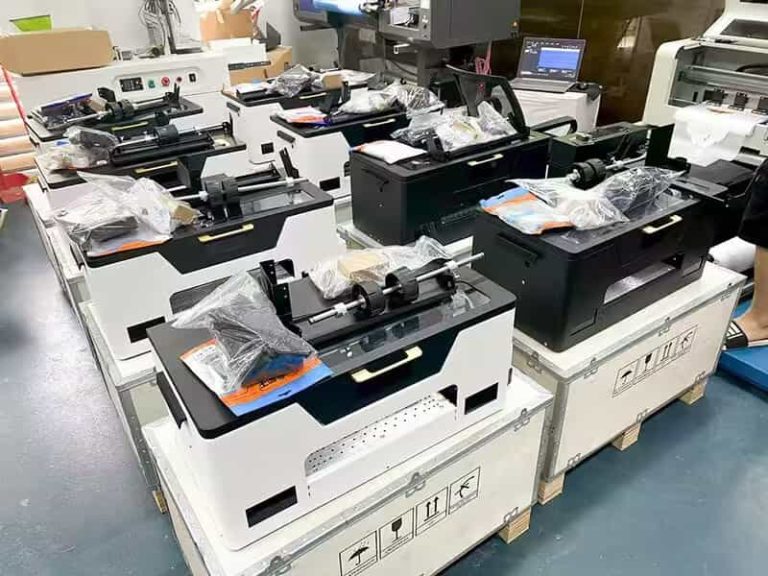
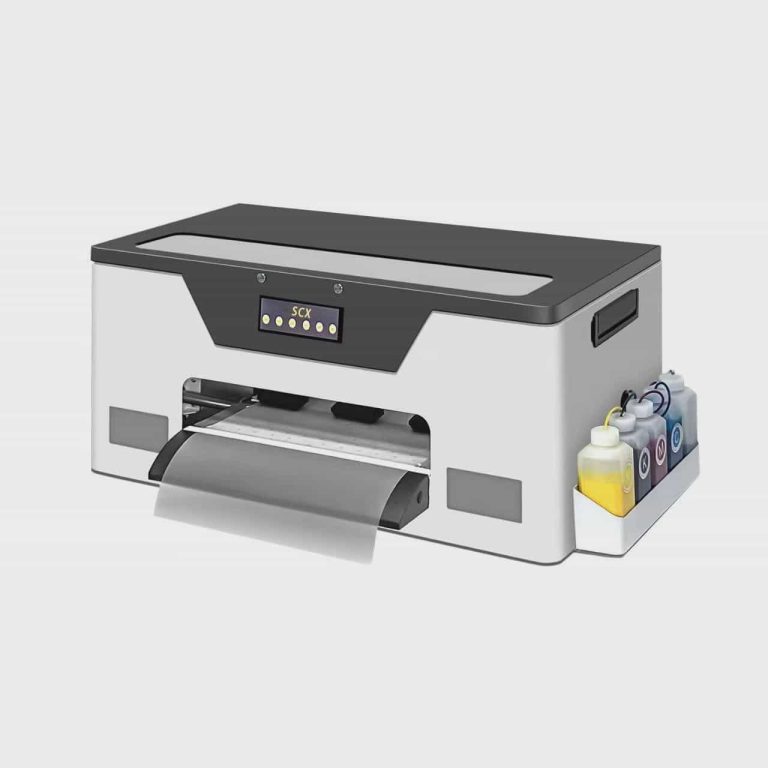
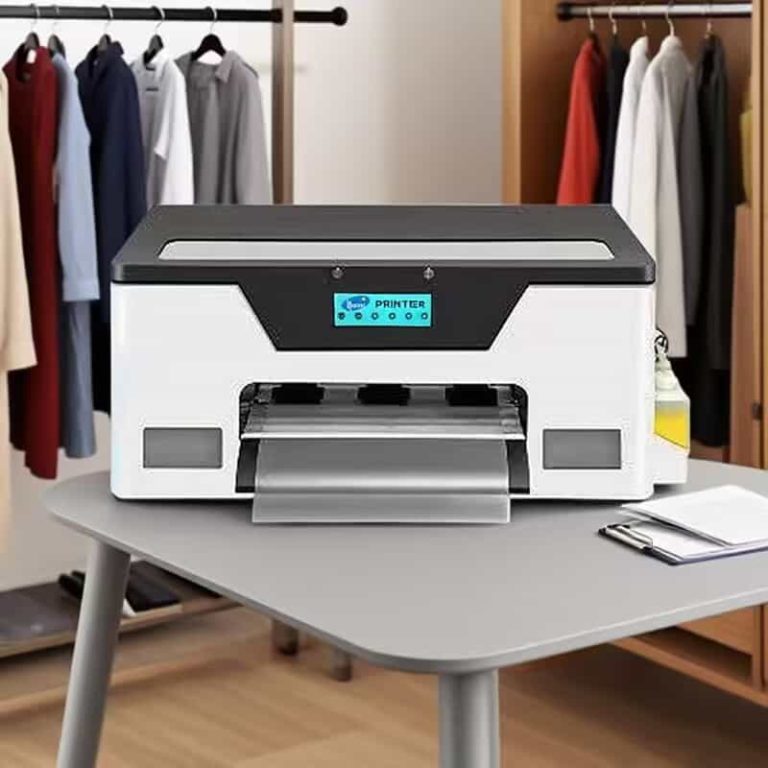
DTF printers and consumables for cotton volume—films, powders, inks, all matched to work together. UV DTF systems for hard goods, so you can say yes to the tumbler order without sacrificing your garment workflow. Sublimation printers and supplies for the polyester jobs that still come through the door. Heat presses, blanks, and accessories to tie it all together.
More importantly, ST‑PRINT helps you figure out which method belongs on which order—before you spend money on the wrong machine. Because a cheap printer that can’t make what your customers want is expensive. A pricier machine that opens a profitable product line pays for itself.
The cotton comeback isn’t a printing crisis. It’s a routing problem. And routing problems get solved with the right partner, not just the right hardware.
Talk to ST‑PRINT. Get the machine that matches your orders. Get the consumables that match your machine. Get the straight answer on what your shop actually needs.