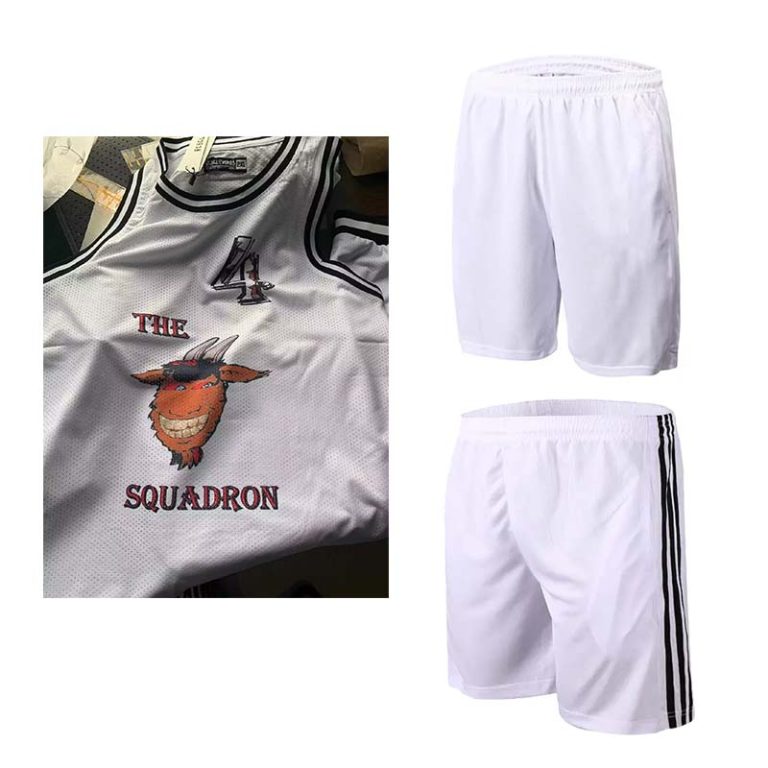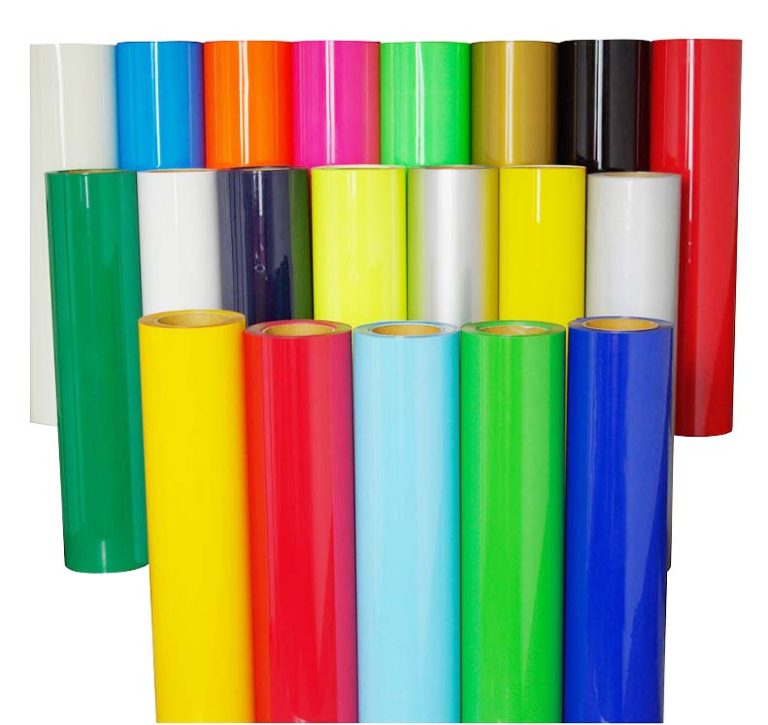
In the world of modern printing, heat transfer printing has become a popular and efficient method for decorating a wide range of products. From clothing to promotional items, heat transfer printing offers flexibility, vibrant colors, and long-lasting results. But how exactly does this process work? Let’s walk you through the basics of heat transfer printing and explain why it’s one of the most versatile techniques available today.
Heat transfer printing is a process where an image or design is transferred from a special paper to a substrate like fabric, plastic, or metal using heat and pressure. Unlike traditional screen printing, heat transfer doesn’t require inks or screens. Instead, it uses a heat-sensitive transfer material that holds the design. By applying both heat and pressure, the design is “transferred” from the paper onto the item being printed.
This process is used across many industries, including fashion, home goods, sportswear, and promotional products. It is especially popular for printing custom designs, logos, and vibrant graphics.