Sublimation printers work by turning solid dye into gas when heated, allowing the dye to bond directly with synthetic fibers. Typically, the image is first printed onto sublimation transfer paper and then transferred onto the material using a heat press. The unique aspect of this process is its ability to produce vibrant, long-lasting images that are directly absorbed by the fabric, especially when working with polyester-based textiles.
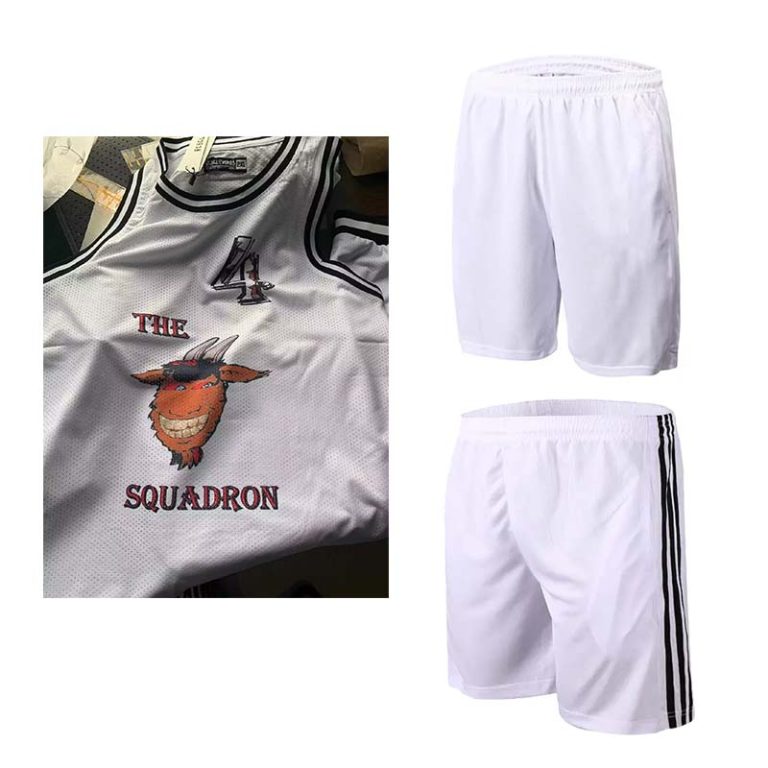
Sublimation printers are widely used for custom products like sportswear, home décor (such as pillows and curtains), flags, and promotional gifts. Since this technology requires the material to be made of or contain a high percentage of polyester, it is particularly suited for creating rich, colorful, and detailed designs on light-colored synthetic fabrics.
Pros:
- Vivid, durable colors that withstand washing and wear.
- No thick ink layer; images blend seamlessly into the fabric.
- Ideal for mass production.
Cons:
- Limited to polyester and synthetic fabrics.
- Requires additional equipment like a heat press, which adds to the cost.
For example, SUNTEK sublimation printers, with their precise print heads and advanced dye technologies, provide exceptional color accuracy and are favored by professionals in the printing industry.